product categories
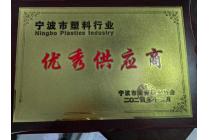
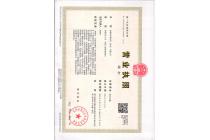
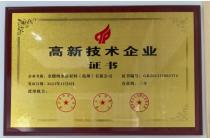
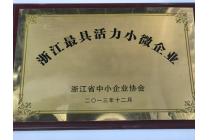
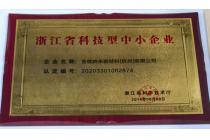
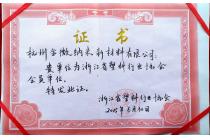
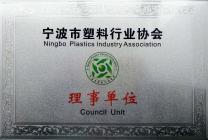
Certifications

Hotline:400-167-5355 +86-571-82138550
Address: No. 489, Hongtai Sixth Road, Hongken Farm, Xiaoshan Economic Development Zone, Hangzhou, Zhejiang, China
Tel: +86-571-83532215
Fax:+86-571-82879575
Website: www.hzjwnm.net
Your Current Location:Website Homepage > Product > Flame Retardant
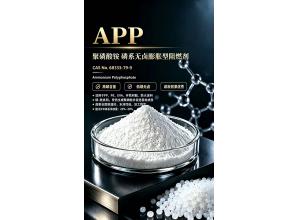


APP
APP stands for ammonium polyphosphate; it is a halogen-free, phosphorus-nitrogen-based intumescent flame retardant in the form of a white powder.
High-polymerization-degree Type II products exhibit superior thermal stability and serve as the core acid source in intumescent flame-retardant formulations, requiring synergistic use with carbon and gas sources.
It is widely used in fire-retardant coatings and for the flame-retardant treatment of polypropylene, elastomers, wood, and fabrics.
Detail
Flame Retardant: APP (Ammonium Polyphosphate)
一、Basic Information
Full Name: Ammonium Polyphosphate (APP) | CAS No.: 68333-79-9 | Molecular Formula: \(\boldsymbol{(NH_4PO_3)_n}\)
Product Type: Phosphorus-nitrogen based halogen-free intumescent flame retardant; serves as the core acid source in intumescent flame-retardant systems.
Distinction Between the Two Main Grades (Crucial)
APP-I (Low degree of polymerization, n < 20): High water solubility; low decomposition temperature (approx. 150–200°C); primarily used in fire-retardant coatings, textiles, and wood impregnation; unsuitable for high-temperature plastic extrusion.
APP-II (High degree of polymerization, n > 1000; mainstream grade for flame-retardant plastics): Low water solubility; excellent thermal stability; decomposition temperature ≥ 280°C; used in modified polymer plastics.
二、 Physicochemical Properties (Type II, Flame-Retardant Grade)
Appearance: White crystalline fine powder; odorless
Phosphorus Content (P): 30–32%
Nitrogen Content: 13–15%
Thermal Decomposition Temperature: ≥ 280–300°C
Water Solubility: ≤ 0.1 g/100 mL (at 25°C)
pH (10% suspension): 5.5–7.0 (near neutral)
Moisture Content: ≤ 0.25%
Particle Size: Standard 10–15 μm
三、Flame Retardant Mechanism (Intumescent Flame Retardancy: The Acid Source)
Upon heating, it decomposes to generate polyphosphoric acid, which catalyzes the dehydration of the substrate to form char. Simultaneously, it releases ammonia (an inert gas) that causes the char layer to foam and expand, creating a dense protective barrier that insulates against heat and oxygen. This provides a dual flame-retardant effect involving both the condensed phase and the gas phase. ⚠️ APP acts solely as an acid source and cannot be used in plastics on its own; a complete intumescent flame retardant formulation consists of a combination of APP (acid source), a carbon source (Pentaerythritol/PER), and a gas source (Melamine/MEL).
四、 Pros and Cons
✅ Halogen-free, eco-friendly, low smoke, low toxicity; RoHS compliant.
✅ High phosphorus content; offers excellent cost-performance for flame retardancy.
✅ White powder; compatible with colorants.
❌ Drawbacks:
Standard uncoated APP has mediocre water resistance; it is prone to hydrolysis and "blooming" (migration to the surface) in high-temperature, high-humidity environments. Micro-encapsulated/modified APP is recommended for plastic applications.
Thermal stability is inferior to MPP; unsuitable for high-temperature processing of nylon (PA)—MCA or MPP are preferred for nylon.
Rarely achieves V-0 rating when used alone; must be combined with carbon and gas sources.
五、 Suitable Materials
Intumescent fire-retardant coatings (primary application for APP-I and APP-II).
PP (Polypropylene) using APP+PER+Melamine intumescent systems; EVA; TPE elastomers.
Epoxy resins, polyurethanes, adhesives, and sealants.
Flame-retardant impregnation for textiles, paper, wood, and boards (using oligomeric water-soluble APP-I).
❗ Not recommended for modifying Nylon PA6/PA66 due to high hydrolysis risk; MCA or MPP are preferred for nylon.
六、 Recommended Dosage (Total dosage for ternary intumescent system in PP)
To achieve UL94-V0 rating in PP (1.6mm thickness): 25–30% (APP + PER + Melamine).
七、Packaging, Storage, and Transport
25kg paper-plastic composite bags; store in a cool, dry, sealed, and moisture-proof environment (highly hygroscopic); not classified as a hazardous chemical.
Related product recommendations