product categories
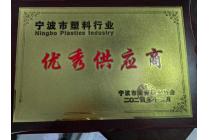
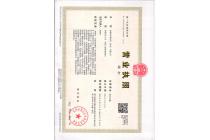
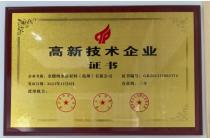
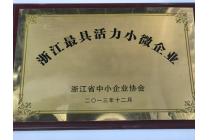
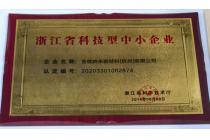
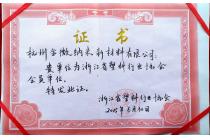
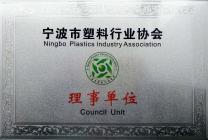
Certifications


Address: No. 489, Hongtai Sixth Road, Hongken Farm, Xiaoshan Economic Development Zone, Hangzhou, Zhejiang, China
Tel: +86-571-83532215
Fax:+86-571-82879575
Website: www.hzjwnm.net
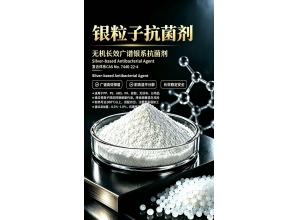


Silver-ion antibacterial agent
Silver-ion antimicrobial agents are inorganic, broad-spectrum, and long-lasting antimicrobial powders. Utilizing silver ions as the active ingredient—supported on a zirconium phosphate or glass carrier—they withstand high-temperature processing and inhibit bacterial proliferation through the slow release of silver ions, achieving an antimicrobial rate of up to 99.9%.
They are widely used in plastics (such as PP, PE, ABS, and TPE), silicone, coatings, and textiles; however, as silver-based products carry a risk of oxidative discoloration, they are often used in conjunction with antioxidants.
Silver-based antimicrobial agents are inorganic, broad-spectrum antimicrobials and represent a mainstream product in the modification of industrial plastics. They typically consist of silver ions (Ag⁺) supported on inorganic carriers—such as zirconium phosphate, glass, zeolite, or silica—to prevent particle agglomeration and enable the slow, controlled release of silver ions.
Nanosilver: Consists of minute particles of elemental silver; it releases silver ions upon contact with atmospheric moisture and oxygen to exert its effect, as the silver ions themselves are the active bactericidal agents. Appearance: Fine white powder
Heat resistance: ≥280–320°C; compatible with the vast majority of plastic extrusion and injection molding processes
Silver content: Typically 2–5% in the carrier powder
二、 Antibacterial Mechanism
Positively charged silver ions adsorb onto negatively charged bacterial cell membranes, disrupting the cell wall
Penetrates the bacterial cell and binds to sulfhydryl groups on enzymes, blocking metabolism and deactivating the bacteria
Interferes with microbial DNA replication, inhibiting reproduction
✅ Multi-target action makes it difficult for bacteria to develop resistance; targets include *E. coli*, *Staphylococcus aureus*, *Candida albicans*, *Pseudomonas aeruginosa*, etc.; achieves an antibacterial rate of ≥99.9%
✅ Pros
Broad-spectrum, long-lasting antibacterial effect with slow release; treated products maintain antibacterial efficacy for years
High-temperature resistance; withstands high-temperature extrusion processing for PP, PE, ABS, and nylon
High safety profile and low toxicity; compliant grades are suitable for food-contact applications, home appliances, and maternal/infant products
Water-wash resistant; low migration or leaching
❌ Cons
Major drawback: Prone to oxidation, yellowing, or darkening when exposed to light or heat; use with caution in transparent products (can be mitigated by adding antioxidants or discoloration inhibitors)
Higher price point compared to organic or zinc-based antibacterial agents
Does not prevent mold effectively (weak efficacy against mold; a silver-zinc combination is recommended for mold prevention in humid environments)
Plastics: PP, PE, ABS, PS, PVC, TPE/TPR, PA (nylon); applications include appliance housings, water cups, storage bins, washing machine parts, medical plastic components, and food containers
Fibers and non-wovens: Antibacterial fabrics, face masks, home textiles
Coatings, water-based paints, silicone, rubber, and sealants
Industrially, it is often processed into an antibacterial masterbatch for better dispersion
五、Recommended Dosage (Direct addition of carrier powder)
Plastic modification: 0.8–1.5%; high-humidity/demanding environments: 1.5–2.0%; antibacterial masterbatch: First produce a high-concentration masterbatch (10–20%), then use at a 3–5% dosage rate Add the masterbatch to the raw materials.
⚠️ Excessive addition increases the risk of discoloration and affects mechanical properties.
六、 Usage Recommendations
Anti-discoloration solution: Silver-based antimicrobial agent + Antioxidants 1010 & 168 + UV-531
Moisture and mold resistance: Silver-zinc composite antimicrobial agentVII. Packaging, Storage, and Transport
25 kg paper-plastic bags; store in a cool, dark place—protection from light is essential to prevent premature oxidation and discoloration; not classified as hazardous chemicals.