product categories
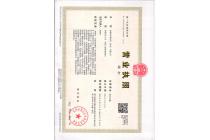
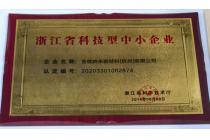
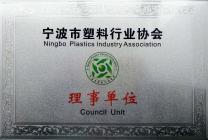
Certifications






Hotline:400-167-5355 +86-571-82138550
Address: No. 489, Hongtai Sixth Road, Hongken Farm, Xiaoshan Economic Development Zone, Hangzhou, Zhejiang, China
Tel: +86-571-83532215
Fax:+86-571-82879575
Website: www.hzjwnm.net
Your Current Location:Website Homepage > Product > Equipment


Melt Flow Rate Tester
This is a fundamental rheological testing instrument for polymer plastics, used to assess the melt flow characteristics of thermoplastic resins and modified flame-retardant plastics, thereby indirectly indicating molecular weight and processing difficulty.
Detail
Melt Flow Rate Tester
一、 Basic PrincipleUnder specified temperature and standard weight load conditions, plastic granules melt within the barrel and are extruded under pressure through a standard capillary die at the bottom; the mass or volume of the extruded melt is measured over a 10-minute interval.
MFR (Melt Mass-Flow Rate): Unit g/10min (mass method; manual cutting and weighing of extrudate strands)
MVR (Melt Volume-Flow Rate): Unit cm³/10min (volume method; automatic calculation based on piston displacement)
Higher MFR value → better flowability, lower viscosity; lower value → more viscous melt.
二、 Main Components of the Instrument
Barrel (heating furnace): High-temperature resistant alloy steel; precise PID temperature control
Standard die: Tungsten carbide material; inner diameter 2.095 mm, length 8 mm (standardized dimensions)
Piston rod (piston): Presses into the barrel to extrude the melt
Weight set: Standard weights including 0.325 kg, 1.2 kg, 2.16 kg, 5 kg, 10 kg, 21.6 kg, etc.
Control system + cutter: Manual or automatic timed cutting of extruded strands
Temperature accuracy: ±0.2°C
三、 Applicable Testing Standards
National Standard (China): GB/T 3682.1-2018 (Determination of the melt mass-flow rate (MFR) and melt volume-flow rate (MVR) of thermoplastics)International Standard: ISO 1133-1
US Standard: ASTM D1238
四、Applicable Sample Range
PE, PP, ABS, PA (Nylon), PC, POM, TPE, modified plastics, filled materials, flame-retardant plastic masterbatches, plastic granules.👉Applications: Incoming raw material inspection, formulation development (checking if flowability decreases after adding flame retardants or antioxidants), and reference for injection molding and extrusion processing parameters.
五、Standard Operating Procedure
Sample drying/pre-treatment: Moisture-sensitive materials such as Nylon and PC must be dried to prevent melt foaming and data distortion. Level the equipment, power it on, set the test temperature, and preheat for 30–45 minutes to ensure thermal equilibrium in the barrel.
Insert the die, load 4–8g of plastic pellets, and compact the material with the plunger to expel air.
Insert the piston into the barrel, apply a small preload weight, and begin the standard preheating period (typically 4–6 minutes, depending on the material).
Once preheating is complete, apply the full test load to extrude the melt.
After the piston rod descends to the reference mark, cut the extrudate at timed intervals to collect 3–5 bubble-free samples.
Allow the samples to cool, weigh them on a balance, and calculate the MFR value.
Clean the barrel, piston rod, and die while they are still hot after the test (hardened plastic is extremely difficult to remove).
六、Daily Maintenance & Precautions
✅ Clean while hot!! Clean the barrel and die immediately after testing; plastic that has cooled and carbonized is difficult to remove.✅ Do not scrape the inner wall of the die with hard metal tools; this can enlarge the orifice and lead to erroneously high readings.
✅ Handle weights gently to avoid impact; inaccuracies in weight directly affect test results.
❌ Do not exceed the equipment's maximum temperature limit; prolonged heating of an empty barrel at high temperatures can damage the barrel body.
❌ Highly filled materials (e.g., glass fiber reinforced) accelerate wear on the barrel and die; periodically verify the die dimensions.
Related product recommendations